
Panama Canal
INTRODUCTION
The Panama Canal is a marvel connecting oceans and continents. The recent expansion aimed to double capacity with massive new locks. Officially, it was a triumph of modern engineering. Yet rumors persist of a $3 billion cost overrun and cracking concrete. Workers claim the new locks leaked seawater, threatening the canal’s integrity. A whistleblower reportedly died under suspicious circumstances, fueling conspiracy theories. The truth remains disputed. This tale echoes other infrastructure mysteries, like the Hong Kong-Zhuhai-Macao Bridge sinkhole that revealed hidden flaws in mega constructions.
THE OFFICIAL STORY
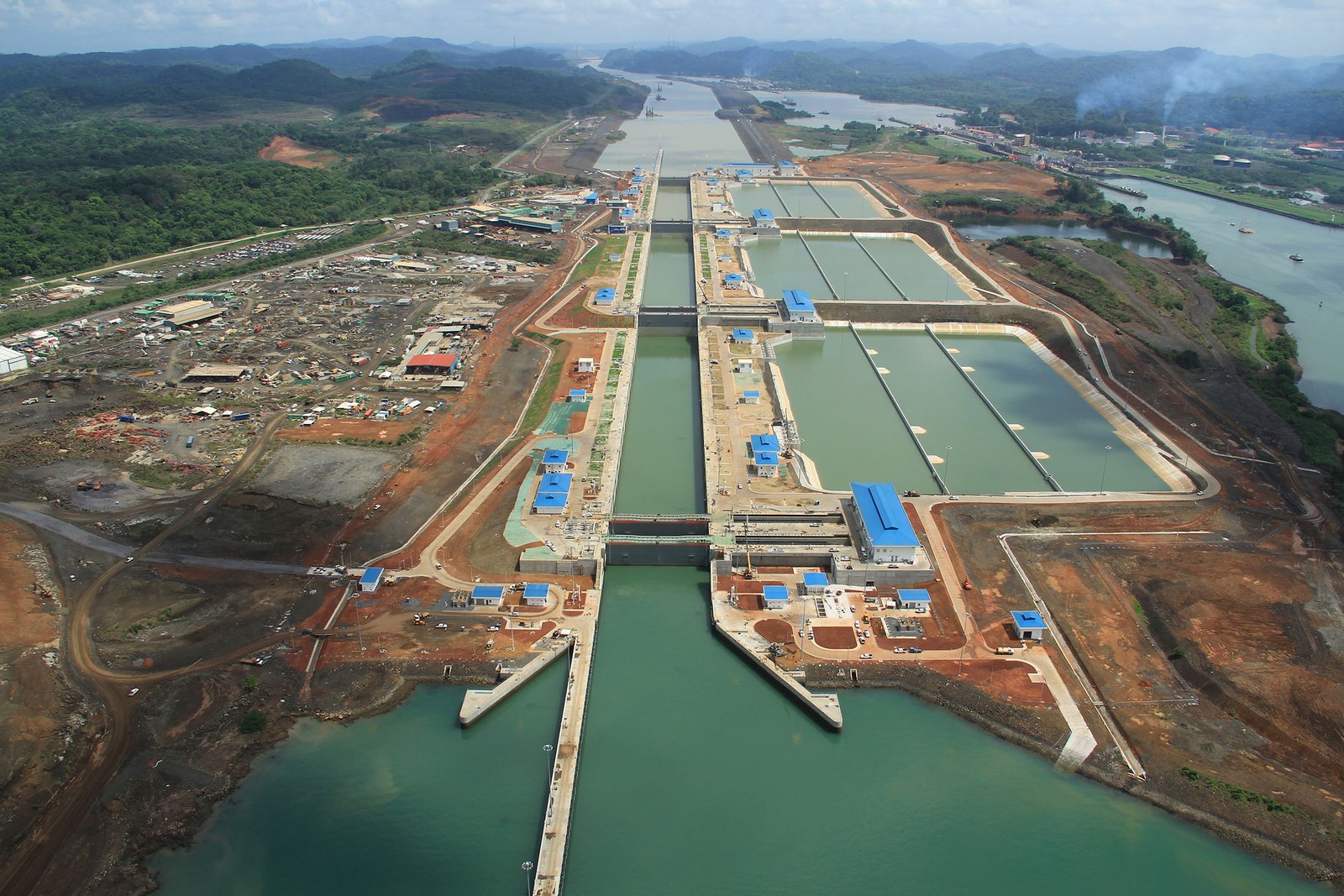
The Panama Canal expansion project began in 2007 and completed in 2016. It introduced the third set of locks, 427 meters long and 55 meters wide, allowing larger vessels called New Panamax ships to pass. The engineering used high-strength concrete with a compressive strength of 50 MPa. The project was managed by a consortium led by Spanish and Italian firms. According to official reports, the project cost $5.25 billion, slightly above initial budgets but within expectations for such complexity. The locks were designed to withstand seismic activity and corrosive seawater. The expansion increased canal capacity by 50%, boosting global trade routes. Panama Canal Authority claimed the project met all safety and quality standards after extensive testing in 2016.
THE CONSPIRACY
The darker side of the story involves a $3 billion overrun not fully explained in public accounts. Workers and insiders allege the concrete poured for the new locks cracked prematurely. Whistleblowers claimed that steel imported from China had the wrong chemical composition, weakening structural integrity. This allegedly caused seawater to leak into freshwater chambers, risking mechanical failure. In one account, a whistleblower who exposed these issues was found dead in unclear circumstances, which authorities have not satisfactorily explained. This remains disputed, with official denials and lack of transparent investigations. The rumor of Chinese steel problems adds geopolitical tension, given the sensitive trade routes. The conspiracy echoes problems in other mega projects, like the Panama Metro sinkhole, where construction secrets surfaced with dire consequences.
THE POSITIVE IMPACT
Despite controversies, the Panama Canal expansion reshaped global shipping. The ability to handle larger vessels reduced transit times and costs for many routes. This helped Panama’s economy grow by increasing toll revenues and attracting business. The expanded canal supports over 12,000 transits annually, facilitating trade between Asia, Europe, and the Americas. The project demonstrated advanced engineering techniques, including water-saving basins that reduce freshwater use by 60%. It also improved regional infrastructure and created thousands of jobs during construction. The expansion is a testament to human ingenuity, even if its dark stories remind us of the hidden costs behind progress.
THE BURIED INVENTION
One plausible construction secret involves innovative concrete mixes developed for the locks. Engineers experimented with low-heat, sulfate-resistant concrete to endure Panama’s tropical climate and seawater exposure. This mix included fly ash and silica fume additives to enhance durability. The design also incorporated advanced water-sealing technologies in lock gates, intended to prevent leakage. However, the concrete cracking and leaks raised questions about whether these inventions were fully tested under real conditions. Some experts speculate that cost-cutting or supplier substitutions may have compromised these innovations. The full technical details remain confidential, leaving room for speculation about the true durability of the new locks.
HUMAN COST & UNTOLD STORIES
The Panama Canal expansion demanded intense labor under challenging tropical conditions. Thousands of workers faced risks from heavy machinery, heat, and long shifts. Allegedly, safety protocols were sometimes ignored to meet deadlines, leading to accidents and injuries. The death of the whistleblower who warned about structural flaws highlights the human toll of hidden truths. Many workers remain silent, fearing retaliation. Their stories of exhaustion and fear are rarely told in official narratives. These human costs remind us that behind every engineering marvel are lives shaped and sometimes shattered by the pressures of mega projects.
THE LEGACY
The Panama Canal expansion leaves a complex legacy. It stands as a symbol of modern engineering triumph and global commerce. Yet questions linger about transparency and safety. WHAT NO ONE ASKS: Why was the truth about leaks and material quality buried? WHAT NO ONE ASKS: Did economic pressures override engineering caution? These remain open questions. The expansion influences future canal projects and international infrastructure standards. Lessons from this project resonate globally, cautioning about whistleblower protection and quality oversight. For more on infrastructure controversies, see Gotthard Tunnel Mountain Whispers.
COMPARISON TO SIMILAR STRUCTURES
- Hong Kong-Zhuhai-Macao Bridge — Another project plagued by structural concerns and sinkholes.
- Gotthard Tunnel — High-altitude tunnel with rumored safety cover-ups.
- Panama Metro Sinkhole — Local infrastructure failure revealing hidden construction flaws.
THE LESSON
Transparency and rigorous oversight are vital. Without them, human lives and engineering integrity are at risk.
CALL TO ACTION
Subscribe to our newsletter to uncover more hidden engineering stories and the truths behind the world’s greatest structures.
Leave a Reply