Jeddah Tower
INTRODUCTION
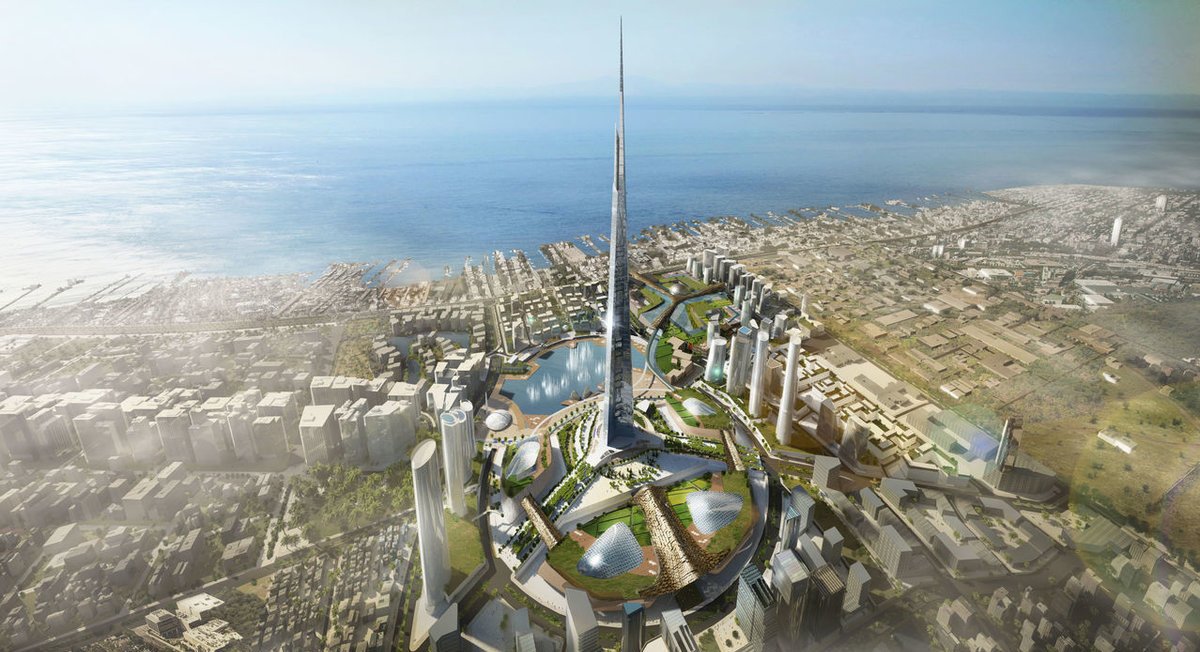
Jeddah Tower in Saudi Arabia was designed to soar above 1,000 meters, breaking all height records. This supertall skyscraper promised to redefine desert architecture. Yet since 2018, work has halted. The project is caught in a web of political upheaval and financial freeze. Rumors swirl of foundation cracks caused by the desert’s unstable soil. Workers claim harsh conditions and unpaid wages. The tower’s fate remains uncertain. For a glimpse into the shadowed world of supertalls, see Burj Khalifa’s dark story.
THE OFFICIAL STORY
Construction began in 2013 with grand ambitions. Saudi Arabia aimed to showcase its economic power and architectural innovation. The tower’s concrete core was designed using high-performance concrete grades reaching C90/105, capable of withstanding extreme desert heat and wind speeds up to 60 km/h. Engineers planned a sleek design with 167 floors, surpassing the Burj Khalifa’s 163. The foundation required deep piling into the desert’s sandy soil. Official reports cited funding delays and contractor realignments as causes for the 2018 pause. The crown prince’s anti-corruption campaign also affected many investors. Publicly, the project remains “on hold” pending financial and political stability.
THE CONSPIRACY
Rumors suggest a far darker story. Allegedly, the desert itself cursed the tower. Workers claim the soil beneath the foundation is unstable, causing cracks that jeopardize structural integrity. Some insiders say contractors clashed over cost-cutting measures that compromised foundational strength. The Saudi anti-corruption purge reportedly froze funding, leaving the project stranded. In one account, subcontractors walked off site over unpaid bills. The conspiracy deepens with whispers of deliberate sabotage to halt progress amid shifting political alliances. For context on similar hidden power plays, see Shanghai Tower military floors.
THE POSITIVE IMPACT
Despite turmoil, Jeddah Tower pushed engineering boundaries. It spurred innovation in desert construction techniques, including advanced cooling systems to counter 50+°C heat. The project created thousands of jobs and inspired local STEM education initiatives. It attracted global attention to Saudi Arabia’s urban ambitions, promoting tourism and economic diversification. The tower’s design influenced other supertalls, advancing sustainable building materials and wind resistance technologies. Its pause offers a chance to rethink mega projects in extreme environments with better risk management and worker protections.
THE BURIED INVENTION
Among Jeddah Tower’s engineering feats was a pioneering foundation system. Engineers developed a hybrid piling technique combining deep bored piles with geosynthetic reinforcement to stabilize sandy desert soil. This method aimed to prevent differential settlement under extreme load. The design included sensors embedded in the concrete to monitor real-time stresses. While this invention remains largely unpublicized, it could revolutionize skyscraper foundations in unstable terrains worldwide. Allegedly, some elements of this technology were shelved after construction halted, lost in bureaucratic limbo.
HUMAN COST & UNTOLD STORIES
The desert’s curse extended beyond engineering. Workers, many migrants from South Asia, endured brutal heat and long hours. Allegedly, wage delays caused unrest; some workers left without compensation. Safety oversight reportedly declined as political chaos deepened. In one account, a scaffolding collapse injured several laborers, though official records remain silent. The human toll highlights the vulnerability of labor in mega projects shadowed by corruption and power struggles. These untold stories remind us that behind every architectural marvel are real lives sacrificed in silence.
THE LEGACY
Jeddah Tower stands as a symbol of ambition halted by unseen forces. WHAT NO ONE ASKS: Why did regulators approve the design despite soil concerns? WHAT NO ONE ASKS: How much did political purges impact project funding? Its legacy informs future megastructures about the risks of unchecked power and environmental challenges. For a parallel in skyscraper controversies, see Palm Jumeirah erosion coverup.
COMPARISON TO SIMILAR STRUCTURES
- Burj Khalifa — Completed despite labor controversies and extreme engineering challenges.
- Shanghai Tower — Features secret military floors and innovative wind engineering.
- Palm Jumeirah — Known for environmental erosion coverups and ambitious desert reclamation.
THE LESSON
Ambition without transparency risks collapse. Mega projects must respect environment and human cost to endure.
CALL TO ACTION
Subscribe to our newsletter for more untold engineering dark stories and secret construction histories.
Leave a Reply