Shanghai Tower
INTRODUCTION
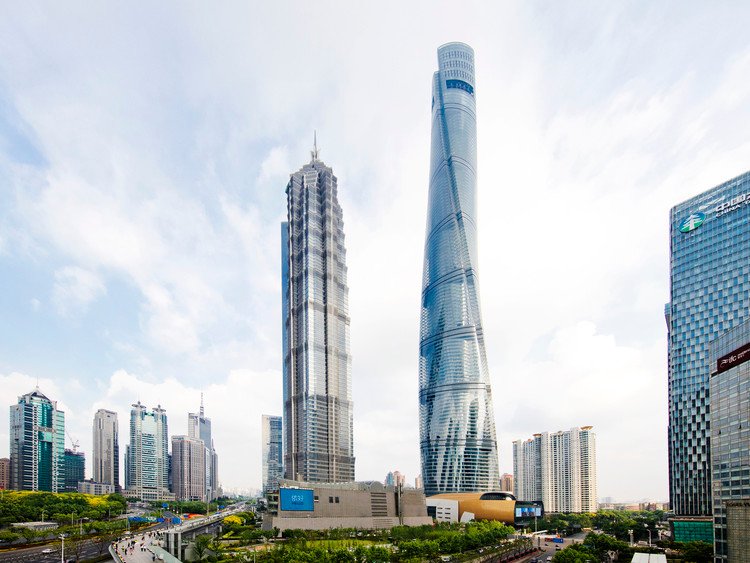
The Shanghai Tower stands as a marvel of modern engineering in China. Rising to 632 meters, it twists 120 degrees to reduce wind load. This innovative design also sparked controversies due to strong wind tunnel effects on nearby buildings. Allegedly, the tower’s internal damper is oversized, leading to rumors of secret military surveillance floors hidden within. While the official narrative focuses on sustainability and safety, some workers claim a more complex story. The tower’s double-skin façade is a green engineering feat. Yet, the human cost and hidden secrets remain debated. This tale echoes similar mysteries found in other skyscrapers like the Burj Khalifa, where official stories clash with whispered truths.
THE OFFICIAL STORY
The Shanghai Tower officially opened in 2015 as China’s tallest building and the world’s second tallest. The design features a twisting form to reduce wind loads by approximately 24 percent. The double-skin façade creates an insulating air layer, improving energy efficiency. The inner structure uses grade C60 concrete and steel supports designed to resist typhoon-force winds reaching speeds over 70 km/h. The tower includes a massive tuned mass damper (TMD) located near the top floors, intended to counteract sway caused by wind. This damper weighs about 1,000 tons and is claimed to be sized strictly based on engineering needs. The building houses offices, retail, hotels, and observation decks. Its green design targets LEED Platinum certification. The official narrative emphasizes cutting-edge technology and environmental responsibility, making it a global symbol of sustainable skyscraper design.
THE CONSPIRACY
Rumors persist that the oversized internal damper serves a hidden purpose. Workers claim the damper’s size is excessive compared to calculated wind forces. In one account, some floors near the damper are sealed off, sparking speculation they conceal military surveillance operations. The idea is that these floors are disguised within the damper’s housing, a plausible construction secret given the tower’s strategic location in Shanghai. Additionally, the twisting design caused severe disputes in wind tunnel tests. Nearby skyscrapers allegedly suffered from increased wind turbulence, forcing costly modifications. Some engineers suggest these issues were downplayed to avoid public alarm. These claims remain disputed, with no official confirmation. Similar conspiracy whispers surround other mega structures, such as the Taipei 101, where the damper was rumored to have defensive capabilities. The Shanghai Tower’s blend of innovation and secrecy fuels ongoing debate.
THE POSITIVE IMPACT
Despite controversies, Shanghai Tower sets new standards for skyscraper design. Its twisting form reduces wind load, cutting structural steel needs and lowering carbon emissions. The double-skin façade improves thermal insulation, reducing energy use by up to 30 percent compared to traditional towers. The efficient use of C60 concrete and high-strength steel demonstrates advances in material science. The tower hosts offices for over 16,000 workers, boosting Shanghai’s economic profile. Its observation deck attracts millions, promoting tourism. The project pushed innovation in construction logistics, using cranes capable of lifting 50 tons at record heights. The tower serves as a model for sustainable urban development. Even amid rumors, its contribution to green skyscraper technology is undeniable. The lessons learned here influence new projects worldwide.
THE BURIED INVENTION
One remarkable but lesser-known invention in Shanghai Tower is its advanced double-skin façade system. This consists of two glass layers separated by a ventilated cavity that regulates temperature and airflow. The system uses automated vents controlled by sensors to optimize energy use dynamically. This reduces heating and cooling demands and improves indoor air quality. The façade’s curved panels were precision-engineered with robotic fabrication, a first for such a scale. The air gap also buffers noise pollution from the busy city below. According to engineering reports, this invention reduces the tower’s energy consumption by approximately 15,000 MWh annually. Although overshadowed by the tower’s height and design, this green technology represents a significant step forward in sustainable architecture. It is a buried innovation that other mega projects seek to emulate.
HUMAN COST & UNTOLD STORIES
Construction of Shanghai Tower involved over 3,000 workers. Some accounts allege harsh conditions, including extended shifts and insufficient safety measures. A few accidents were reported, though official figures remain low. Workers claim pressure to meet tight deadlines caused stress and fatigue. The complexity of the twisting design added risk during assembly of the curved glass panels at extreme heights. Allegedly, some laborers were unaware of the full scope of the project’s secret elements, fueling mistrust. The rumored military floors add a layer of mystery to the human story, suggesting that some workers were sworn to secrecy or excluded from certain zones. These untold stories highlight the tension between engineering marvels and the people who build them. The full truth may never emerge, but the human cost is a shadow beneath the tower’s gleaming surface.
THE LEGACY
Shanghai Tower’s legacy is complex. It stands as a beacon of sustainable skyscraper design and urban innovation. Yet, questions linger about hidden military floors and oversized damping systems. WHAT NO ONE ASKS: Why did regulators approve the design despite wind tunnel disputes? WHO BEARS RESPONSIBILITY for the human risks taken during construction? The tower influences future projects worldwide, balancing green ambitions with security concerns. Its story reminds us that mega structures often carry secrets beneath their façades. The legacy also includes inspiring engineers to rethink tall building design. For more on mysterious skyscraper stories, see the Petronas Towers, which faced their own ghostly rumors.
COMPARISON TO SIMILAR STRUCTURES
- Burj Khalifa — Similar height but faced labor abuses and redesigns due to financial crisis.
- Shanghai Tower — Unique twisting design with rumored military floors and oversized damper.
- Petronas Towers — Twin towers with ghost skybridge rumors and complex engineering challenges.
THE LESSON
Great architecture can hide secrets. Transparency and worker safety must never be sacrificed for prestige or power.
CALL TO ACTION
Subscribe to our newsletter for more untold engineering dark stories and hidden construction secrets.
Leave a Reply