
Vancouver Convention Centre
INTRODUCCIÓN
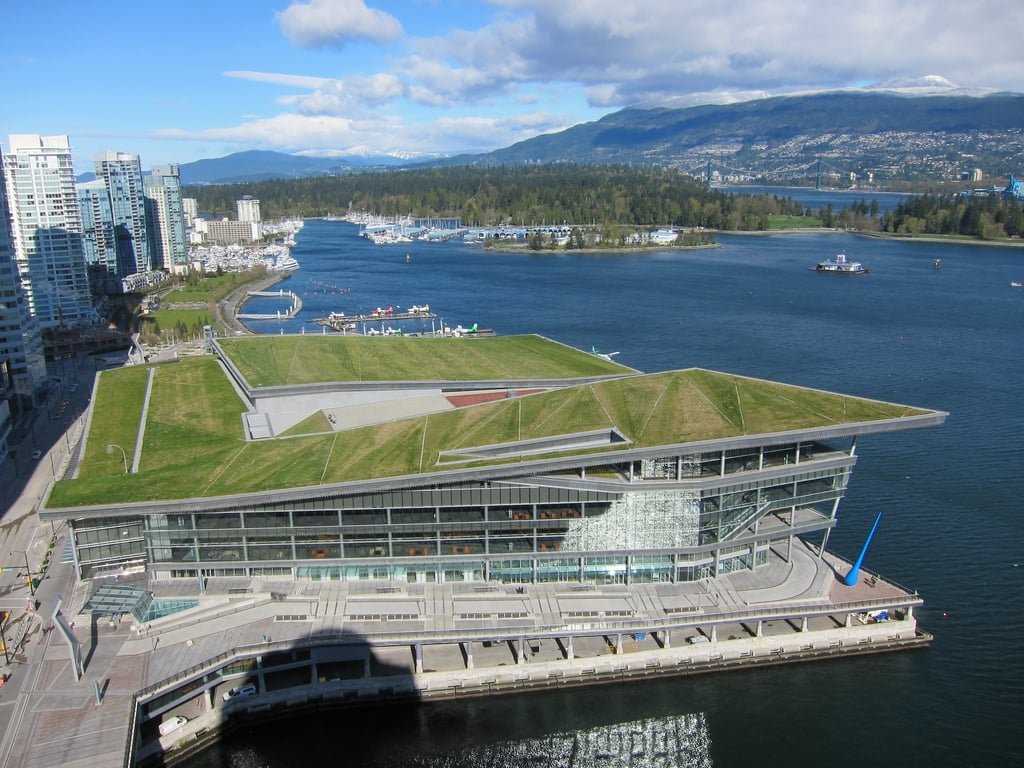
El Centro de Convenciones de Vancouver es famoso por tener el techo verde más grande de Canadá. Este techo viviente cubre más de 6.500 metros cuadrados y se integra con la costa marina. Su diseño buscaba un equilibrio entre la arquitectura moderna y la naturaleza. Sin embargo, en una noche de invierno, un área de 500 metros cuadrados colapsó bajo el peso de la nieve mojada. Seis trabajadores resultaron heridos en este accidente que conmocionó a la ciudad.
Este evento generó dudas sobre la resistencia real de estas estructuras ecológicas, muy diferentes a los edificios tradicionales. Algunos trabajadores alegan que la lluvia y la nieve superaron cualquier cálculo previo. Otros sugieren que hubo fallas en la implementación del diseño. Para entender mejor este incidente, podemos compararlo con la gestión de agua en Parkroyal Blackwater Flood, donde la integración natural también fue clave.
THE OFFICIAL STORY
Según informes oficiales, el colapso ocurrió después de una tormenta con lluvia y nieve inusualmente intensa. El contratista afirmó que la estructura no estaba diseñada para soportar ese nivel de carga. Se explicó que el techo verde, compuesto por una capa de suelo, plantas y sistemas de drenaje, sufrió saturación debido a la acumulación de agua y nieve.
Las investigaciones técnicas mostraron que el sistema de drenaje estaba funcionando dentro de parámetros normales. El concreto utilizado en la estructura principal era de grado C30/37, adecuado para cargas ambientales estándares. Sin embargo, la combinación de factores climáticos extremos puso a prueba la resistencia del techo. El colapso parcial afectó un área de 500 metros cuadrados, un 7.6% del total del techo.
Los responsables afirmaron que la seguridad de los trabajadores y visitantes siempre fue prioridad. Inmediatamente después del accidente, se implementaron medidas para reforzar la estructura y mejorar la capacidad de drenaje. Sin embargo, algunos expertos sugieren que estas acciones son solo una respuesta reactiva.
THE CONSPIRACY
Allegedly, workers claim the contractor knew about potential weak points in the roof design. According to unverified accounts, warnings about heavy snow loads were ignored or downplayed. Some say the rushed construction schedule led to corners being cut on waterproofing and soil compaction. This plausible construction secret could explain why such a large section failed.
Rumors remain disputed, but in one account, workers describe seeing pooling water days before the collapse. They say maintenance was insufficient to handle the unprecedented rain. Critics argue the ‘unprecedented rain’ excuse was a convenient cover-up. The contractor allegedly blamed weather to avoid accountability.
Such suspicions echo concerns raised at Bosco Verticale, where natural integration also posed hidden risks. The Vancouver case raises questions about how green infrastructure projects balance innovation with safety. Were economic pressures and green credentials prioritized over structural integrity?
THE POSITIVE IMPACT
Despite the incident, the Vancouver Convention Centre’s green roof remains a pioneering achievement. It reduces urban heat, improves air quality, and supports biodiversity. The living roof captures rainwater and filters pollutants before they reach the harbor. It also provides habitat for birds and insects in a dense urban area.
The project used native plant species adapted to the local climate. This choice reduces irrigation needs and enhances resilience. The roof’s design integrates marine elements, creating a visual and ecological connection to the nearby waterfront. The centre has won multiple sustainability awards since opening in 2009.
These benefits demonstrate how architecture can harmonize with nature. The roof’s collapse sparked improvements in design standards for green roofs in Canada. It encouraged deeper study of material performance under extreme weather. The incident ultimately pushed the industry toward safer, more robust ecological solutions.
THE BURIED INVENTION
Hidden beneath the living roof lies an innovative drainage system designed to mimic natural wetlands. This invention channels excess water through layered substrates to reduce runoff. It uses a combination of gravel, sand, and engineered soil mixes to filter water before it reaches the marine environment.
The system was patented but remains little known outside specialist circles. It aims to balance water retention for plants with rapid drainage during heavy storms. However, the collapse suggests the invention had limitations under extreme precipitation. Some engineers argue the layered design was not fully tested for wet snow loads.
Despite this, the invention influenced green roof technology worldwide. It pioneered methods to integrate large-scale ecological functions in urban buildings. The Vancouver Convention Centre’s roof remains a case study in pushing the boundaries of sustainable architecture. This buried invention continues to inspire new solutions for climate adaptation.
HUMAN COST & UNTOLD STORIES
Six workers were injured when the roof section gave way. Their stories reveal the human toll behind grand green ambitions. Some were caught under falling soil and plants. Allegedly, delays in emergency response worsened injuries. Workers claim that safety protocols were insufficient for this type of ecological structure.
One injured worker described the moment as «terrifying and surreal.» According to unverified accounts, fears arose about job security after reporting hazards. Families of those hurt faced long recoveries and medical bills. These human costs highlight the often overlooked risks of innovative construction.
These untold stories remind us that behind every architectural marvel is a workforce exposed to danger. The balance between environmental goals and worker safety remains a delicate issue. Vancouver’s experience calls for stronger protections and transparency in green building projects.
THE LEGACY
The Vancouver Convention Centre’s green roof is a landmark of sustainable design and a cautionary tale. WHAT NO ONE ASKS: How did regulators approve a roof with untested snow load resistance? WHAT NO ONE ASKS: Why was the truth about construction shortcuts buried?
Its legacy includes both inspiration and controversy. It pushed green architecture forward but revealed gaps in risk assessment. The incident triggered new building codes and monitoring protocols for green roofs in Canada. Vancouver’s story is now taught in engineering schools as a complex case of innovation versus reality.
For a broader perspective, see Acros Fukuoka Retaining Wall, another project blending nature and engineering with lessons learned. Vancouver’s Convention Centre remains a symbol of ambition, resilience, and the need for honesty in construction.
COMPARISON TO SIMILAR STRUCTURES
- Parkroyal Blackwater Flood — Gestión innovadora de agua en entornos naturales urbanos.
- Bosco Verticale — Integración de vegetación y estructura con desafíos técnicos.
- Acros Fukuoka Retaining Wall — Diseño ecológico y protección estructural en edificios urbanos.
THE LESSON
Innovación y seguridad deben ir de la mano. Ignorar riesgos estructurales por ambición ecológica pone vidas en peligro.
CALL TO ACTION
Suscríbete a nuestro boletín para descubrir más historias ocultas detrás de grandes construcciones ecológicas.
Deja una respuesta