
Vancouver Convention Centre
INTRODUCTION
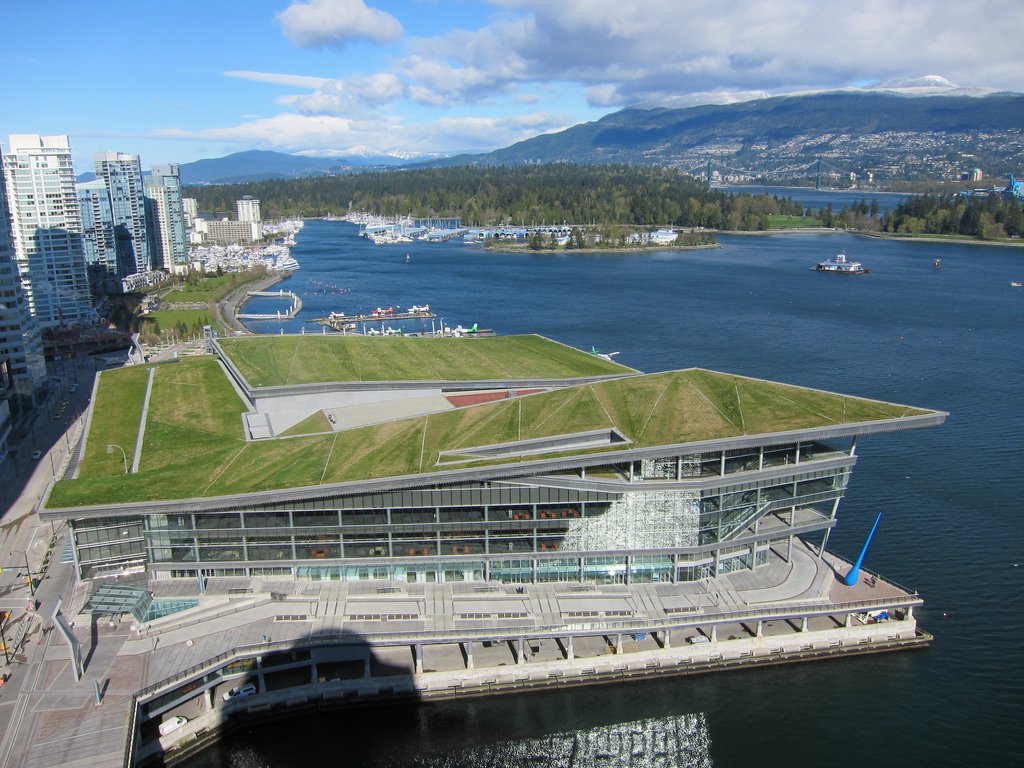
The Vancouver Convention Centre stands as a beacon of green architecture in Canada. Its living roof, spanning over 6 acres, is the largest green roof in the country. This roof integrates marine ecosystems, supporting local wildlife while insulating the building. The project was hailed as a milestone for sustainable design, attracting global attention. Yet, beneath this success lies a troubling incident. A 500m² section collapsed under wet snow, injuring six people. The contractor blamed unprecedented rainfall for the failure. Workers claimed construction flaws might have played a role. This event is a stark reminder that even celebrated projects carry hidden risks. For context, see the Parkroyal Blackwater Flood story, which also reveals nature’s unexpected impact on green infrastructure.
THE OFFICIAL STORY
The Vancouver Convention Centre’s green roof was engineered with advanced waterproofing membranes and layers of soil to sustain native plants. Construction used concrete with a grade of 40 MPa to support the load. The roof design included drainage systems to handle rain and snowmelt. On a winter day, a sudden wet snowstorm added unexpected weight. Approximately 500 square meters of the roof gave way. Six workers were injured, mostly with minor to moderate injuries. The contractor publicly attributed the collapse to “unprecedented rain and snow conditions,” claiming the event exceeded the design specifications. Engineering teams conducted safety reviews and declared the rest of the roof structurally sound. The official inquiry did not find deliberate negligence but acknowledged the weather was extraordinary. The Convention Centre continued operations after repairs, emphasizing resilience and safety improvements.
THE CONSPIRACY
Despite official statements, rumors persist among construction workers and local observers. Some allege the collapse was due to rushed installation of the waterproofing layers. Workers claim shortcuts were taken to meet tight deadlines, compromising quality control. Allegedly, some materials used were below the specified grade. One account from a former crew member remains disputed but suggests inadequate drainage led to water accumulation beneath the soil. Critics argue the contractor downplayed these factors, focusing blame solely on weather. This plausible construction secret raises questions about accountability. The incident echoes similar issues at the Bosco Verticale, where root systems challenged structural integrity. Such cases expose tensions between green innovation and conventional engineering standards. While the official narrative highlights nature’s power, worker testimonies reveal human and material vulnerabilities.
THE POSITIVE IMPACT
Despite the collapse, the Vancouver Convention Centre’s green roof remains a pioneering example of sustainable urban design. It provides habitat for birds and insects, improves air quality, and reduces urban heat island effects. The roof’s insulation reduces energy consumption by up to 25 percent annually. Its marine integration supports local oyster beds and kelp, fostering biodiversity. The project inspired other cities to adopt green roofing, advancing environmental architecture. Post-collapse, improvements were made to drainage and structural monitoring. These lessons have strengthened green roof engineering standards across Canada. The Convention Centre continues to host thousands of events annually, showcasing that sustainability can coexist with urban demands. It stands as proof that green design, even with setbacks, drives progress toward a cleaner future.
THE BURIED INVENTION
Underneath the lush green roof lies an innovative waterproofing system designed specifically for marine climates. This system combines a multi-layer membrane with a breathable geotextile layer to prevent waterlogging while allowing plant roots to thrive. The technology was developed by a local engineering firm but remained little-known outside specialist circles. The intention was to create a roof that mimics natural coastal ecosystems. Allegedly, parts of this system were altered during construction to save costs, which may have affected performance. Despite this, the invention represents a significant advance in green roof technology. It has since been adapted for other projects worldwide, though the Vancouver incident serves as a cautionary tale. The buried invention reflects the fine balance between innovation and practical application in extreme environments.
HUMAN COST & UNTOLD STORIES
The collapse injured six workers, some with lingering physical and psychological effects. Emergency responders commended the quick rescue efforts, but some victims faced delays in compensation. Workers allege that safety protocols were insufficient given the roof’s complexity and weather risks. In one account, a worker narrowly escaped serious injury when a soil-filled panel gave way beneath him. These stories rarely reach public ears but highlight the human price behind green architecture. The injured workers represent the often unseen labor force sustaining ambitious projects. Their experiences underscore the need for stronger safety oversight and respect for construction crews. The event also sparked community discussions on balancing environmental goals with worker welfare. These untold stories challenge the polished image of sustainable development.
THE LEGACY
The Vancouver Convention Centre’s legacy is mixed. It remains a flagship green building with groundbreaking marine integration. Yet the roof collapse reminds us of the limits of design under extreme weather. WHAT NO ONE ASKS: Why was the truth buried about construction shortcuts? WHAT NO ONE ASKS: Did the contractor’s timeline pressure contribute to the failure? These questions linger in public discourse. The incident has influenced stricter building codes for green roofs in Canada. Lessons learned have been shared with architects and engineers internationally. For further reading on resilient design, see the Acros Fukuoka Retaining Wall case. The Convention Centre stands as a symbol of both ambition and caution in sustainable construction.
COMPARISON TO SIMILAR STRUCTURES
- Parkroyal Blackwater Flood — Similar challenges with water management in green infrastructure.
- Bosco Verticale — Tree root impact on structural integrity in vertical forests.
- Acros Fukuoka Retaining Wall — Innovative green facade with complex load-bearing design.
THE LESSON
Innovation demands rigorous oversight. Green ambitions must never overshadow safety and quality. Transparency protects workers and future projects.
CALL TO ACTION
Share this story to raise awareness about the hidden risks in sustainable construction. Join our newsletter for more inside tales from engineering’s frontlines.
Leave a Reply