Taipei 101
INTRODUCTION
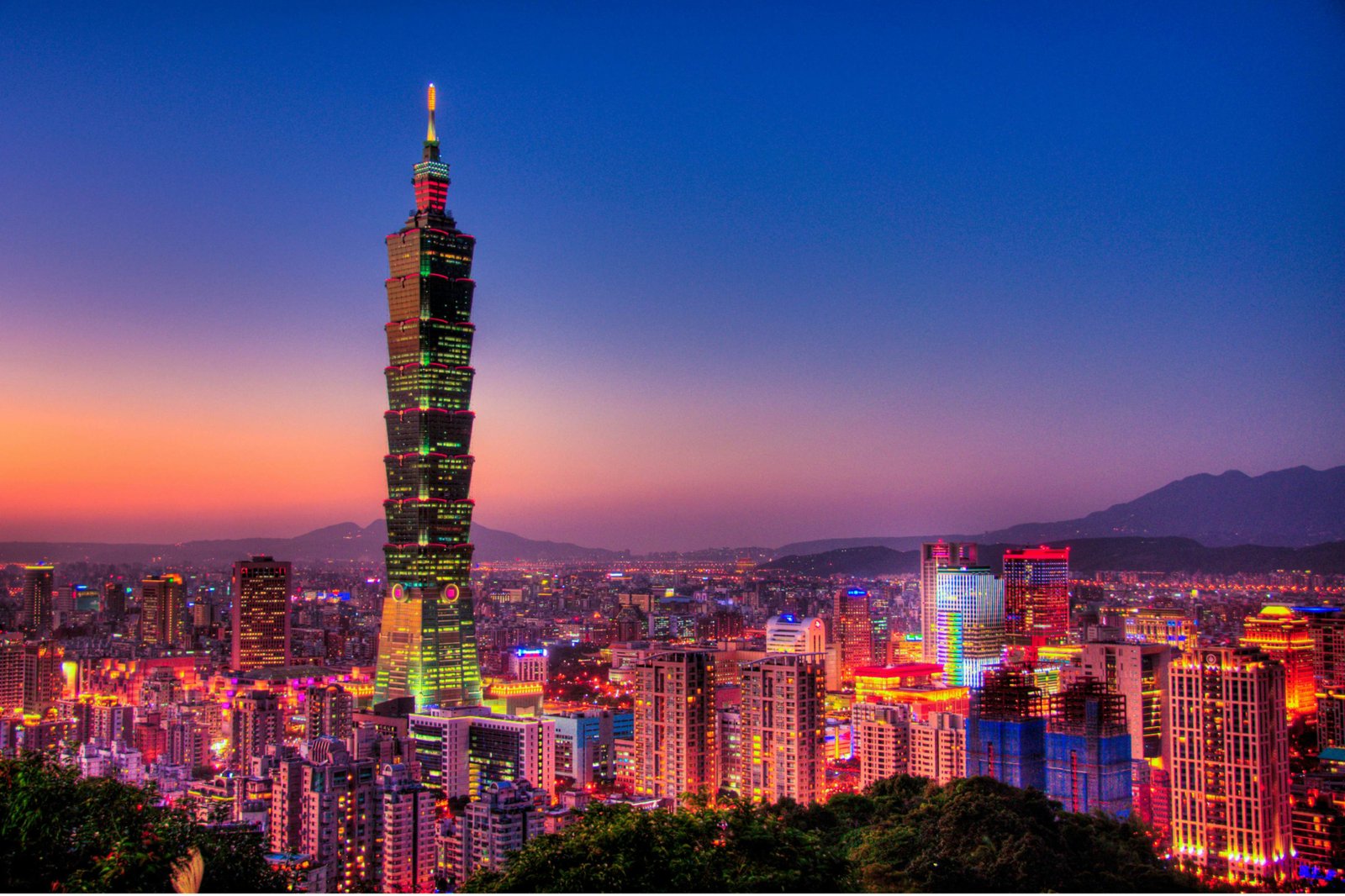
Taipei 101 stands tall in Taiwan as a marvel of earthquake and typhoon resistance. It rises 508 meters and was completed in 2004. The tower’s design is a blend of advanced engineering and local cultural respect. However, rumors of feng shui sabotage surfaced during excavation. Allegedly, competitors buried objects to bring negative energy. Workers whispered about these acts, though this remains disputed. Its tuned mass damper, a 660-ton steel pendulum, stabilizes the tower. Some claimed it could be a secret weapon to control earthquakes. The stories add layers of mystery to the building’s history. For comparison, see शंघाई टॉवर, another engineering giant with its own secrets.
THE OFFICIAL STORY
Taipei 101 was built to withstand Taiwan’s frequent earthquakes and typhoons. Engineers used grade 60 concrete and steel frames designed to resist winds over 60 meters per second. The tuned mass damper, visible inside the building, reduces sway by counteracting motion. It is 5.5 meters in diameter and swings to offset shaking. Construction employed over 2,000 workers from 1999 to 2004. The design follows feng shui principles to harmonize with its environment. All safety tests passed rigorous government standards. The tower also uses dampers and braces throughout to ensure structural integrity.
THE CONSPIRACY
Rumors claim competitors tried to sabotage Taipei 101’s feng shui by burying ‘negative energy’ objects during its foundation work. Workers allege that mysterious artifacts and metal scraps appeared in the soil. This sabotage was meant to curse the building’s luck and success. Although no official evidence exists, local superstitions fuel this narrative. Another rumor says the tuned mass damper is not just for stability but secretly designed as an earthquake weapon. In one account, engineers allegedly modified its mechanism to amplify seismic waves. These claims remain unproven and are likely urban legends. For a related mystery, check out पेट्रोनास टावर्स and their ghostly skybridge tales.
THE POSITIVE IMPACT
Despite the rumors, Taipei 101 revolutionized skyscraper design. It demonstrated how a massive tuned mass damper could protect occupants and equipment. The tower became a symbol of resilience in a disaster-prone region. Its success encouraged engineers worldwide to adopt similar damping technologies. The project boosted Taiwan’s economy and tourism. It also showed how respecting local culture, like feng shui, can coexist with modern engineering. The building’s innovations helped save lives during typhoons and minor earthquakes since opening. Taipei 101 remains a beacon of safe, sustainable urban design.
THE BURIED INVENTION
The tuned mass damper is Taipei 101’s hidden genius. Suspended between the 87th and 92nd floors, it is a 660-ton steel pendulum hanging from eight cables. When the building sways, the damper swings in opposition, reducing motion by up to 40 percent. This invention helps the tower withstand winds up to 60 meters per second and earthquakes. Its design was inspired by earlier damping systems but scaled to unprecedented size. The damper’s movement is monitored by sensors and controlled by hydraulic systems. It is not a weapon, as rumors suggest, but a critical safety device. This plausible construction secret remains a marvel of engineering.
HUMAN COST & UNTOLD STORIES
Building Taipei 101 was a massive effort involving thousands of workers. Construction lasted five years with tight schedules and challenging conditions. Some workers reportedly faced harsh labor and long hours. Accidents occurred but official records report only minor injuries. However, unverified accounts suggest workers suffered from stress and fatigue. The pressure to complete the tower on time and budget was immense. The human stories behind the steel and concrete are rarely told. These untold narratives remind us that even great achievements come with personal sacrifices.
THE LEGACY
Taipei 101’s legacy is complex. It is an engineering icon and cultural symbol. Yet, rumors of sabotage and secret weapons linger in popular memory. WHAT NO ONE ASKS: Why did regulators approve the design despite local superstitions? WHAT NO ONE ASKS: How do workers remember the project years later? The tower inspired new skyscraper safety standards and urban planning in seismic zones. It also opened conversations about integrating tradition with technology. For more, see बुर्ज खलीफा, another tower with a dark story.
COMPARISON TO SIMILAR STRUCTURES
- शंघाई टॉवर — Taller and with advanced double-skin façade for wind resistance.
- पेट्रोनास टावर्स — Famous for their skybridge and ghost stories, blending culture and engineering.
- बुर्ज खलीफा — The tallest man-made structure, with extreme concrete and labor challenges.
THE LESSON
Engineering and culture must coexist. Ignoring human stories and superstition risks shadowing innovation with doubt and fear.
CALL TO ACTION
Subscribe to our newsletter for more untold engineering dark stories and hidden construction secrets.
प्रातिक्रिया दे