INTRODUCTION
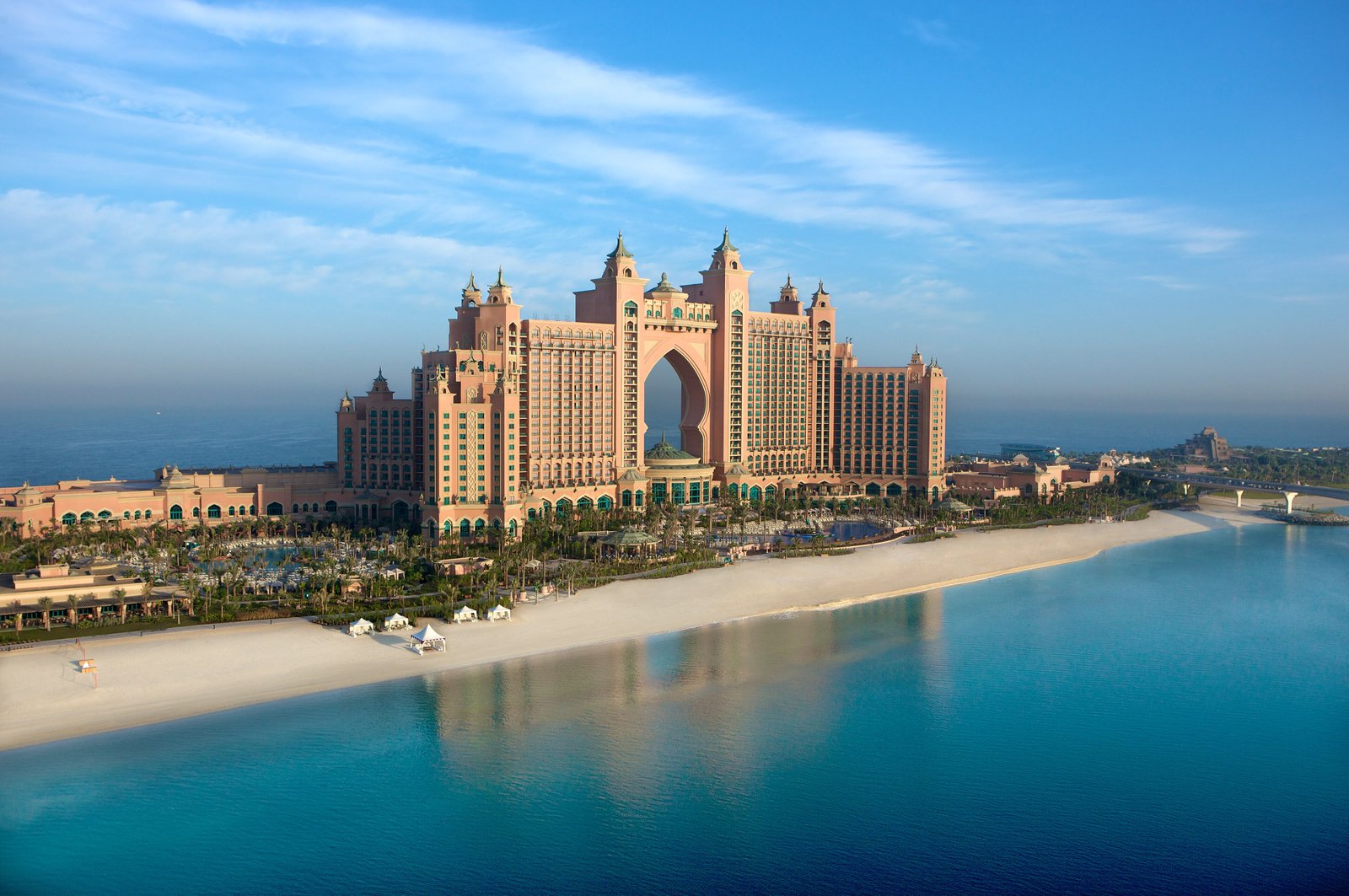
The Atlantis The Palm in Dubai stands as a testament to luxury. But beneath its splendor lies a dark secret. The creation of this resort involved massive dredging operations. These operations allegedly destroyed 2.5 kilometers of living coral reef. The environmental impact remains disputed. Access to reef surveys was denied for 20 years. This raises questions about accountability.
Workers claim that their concerns were ignored. The allure of wealth overshadowed environmental ethics. The Palm project is a symbol of excess. But it also represents a potential ecological disaster. The truth may never fully surface.
For more on the environmental implications, explore Burj Al Arab and its construction challenges.
THE OFFICIAL STORY
Dubai’s government promoted Atlantis The Palm as a visionary project. They highlighted economic benefits and tourism potential. Official reports portrayed the development as environmentally friendly. However, independent studies tell a different story. Allegedly, the government classified reef survey data as proprietary. This classification prevented marine biologists from conducting their research.
For years, the municipality insisted that dredging was necessary. Officials claimed it was essential for economic growth. They painted a picture of progress. But many citizens felt something was amiss. The community raised concerns about the ecological footprint. Yet, the allure of luxury kept the project on track.
THE CONSPIRACY
The Palm’s construction sparked controversy from the start. Allegations arose about the destruction of coral reefs. Activists claimed the environmental impact was severe. They argued that the delicate marine ecosystem was ignored. In one account, workers reported witnessing coral destruction firsthand. They described the dredging as a brutal assault on nature.
Environmentalists demanded transparency. However, access to information remained limited. The government maintained that the data was sensitive. Critics argue that this is a cover-up. They believe authorities prioritized profit over preservation. The conspiracy deepens as more voices join the chorus. Workers allege they were silenced for speaking out.
For a broader view on construction ethics, see The Address Downtown Fire.
THE POSITIVE IMPACT
Despite the controversies, Atlantis The Palm has contributed to Dubai’s economy. The resort attracts millions of tourists annually. It has created thousands of jobs. Local businesses benefit from increased foot traffic. The project symbolizes Dubai’s ambition to become a global hub.
However, the question remains: at what cost? The economic benefits must be weighed against environmental degradation. The local ecosystem struggles to recover from the destruction. A balance between development and nature is crucial. Future projects must prioritize sustainability.
THE BURIED INVENTION
During construction, innovative techniques were developed. Some workers claimed to have created more efficient dredging systems. These systems could minimize environmental impact. However, details about these inventions remain scarce. Allegedly, the government did not pursue these innovations. They focused instead on rapid completion.
Workers believed that their ideas could have made a difference. But the rush to build overshadowed potential advancements. This buried invention represents lost opportunities for sustainable practices. The importance of innovation in construction cannot be underestimated.
HUMAN COST & UNTOLD STORIES
The human cost of the Palm’s construction is significant. Workers faced harsh conditions. Many were South Asian migrants seeking better lives. Reports suggest they endured long hours and low wages. Some even faced dangerous working conditions. Allegedly, health issues arose due to exposure to harsh environments.
These untold stories highlight the darker side of luxury. The allure of wealth often blinds society to exploitation. Many workers remain voiceless in this narrative. Their sacrifices deserve recognition. The human element must not be overlooked. The price of progress should not come at the expense of people.
THE LEGACY
Atlantis The Palm’s legacy is complex. It symbolizes luxury and excess. Yet, it also represents environmental degradation. WHAT NO ONE ASKS: How can we ensure accountability in future projects? The unanswered questions linger. Transparency and ethical considerations must guide future developments.
For further exploration of legacies, look into The World Islands. Each project carries its own story and impact.
COMPARISON TO SIMILAR STRUCTURES
- Burj Al Arab — A luxury icon with its own controversies
- The Address Downtown — A tragic event with lessons learned
- The World Islands — A vision facing environmental challenges
THE LESSON
We must prioritize transparency and sustainability. The lessons from Atlantis The Palm should inform future projects.
CALL TO ACTION
Join the movement for responsible construction. Advocate for environmental accountability in major projects.
Leave a Reply